Image Credit: Magnific
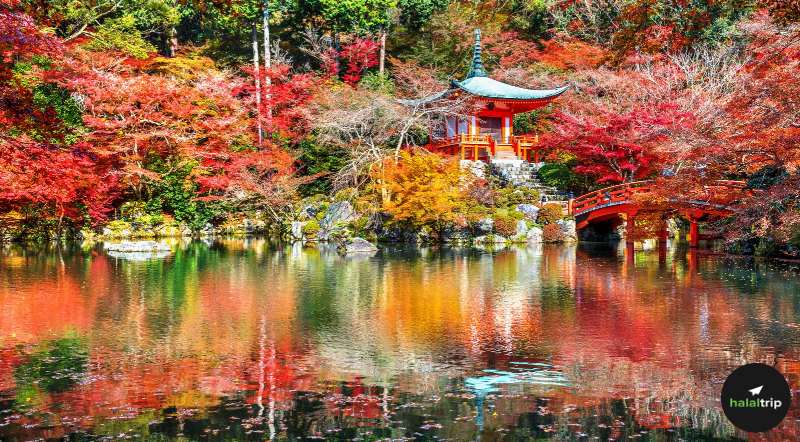
You can feel the shift in the air when autumn comes in Japan. The once heavy summer humidity now recedes little by little, replaced by the crisp breeze. And soon, the landscape also transforms. Towering ginkgo trees ignite in radiant golden yellow, while Japanese maples turn shades of fiery vermilion, crimson, and burnt orange.
In Japan, this seasonal wonder is known as koyo or momijigari, the tradition of hunting autumn leaves. For Muslim travelers, wandering beneath these vibrant trees offers more than just scenic photography; it also provides a soothing space to reflect and appreciate the beauty in nature.
Tokyo and Kyoto make an ideal combination for autumn sightseeing, as the former offers modern city vibes, and the latter is known for its timeless Japanese traditional wonders—all bathed in the vibrant colors of fall. Here is everything you need to plan a seamless journey, including peak foliage dates, wardrobe essentials, the best viewing spots, accessible prayer facilities, and memorable Halal dining experiences.
When to Visit and What to Pack: Planning Your Autumn Journey
Timing your trip properly makes all the difference when chasing autumn colors across Japan’s Golden Route. Unlike the spring cherry blossoms, which can bloom and fall within a single week, the autumn foliage season progresses gradually over several weeks:
Best Time to Visit: Peak viewing in Tokyo generally runs from mid-November through early December. Outlying parks like Showa Memorial Park turn golden first in mid-November, while central spots like Yoyogi Park peak toward late November. In Kyoto, the ancient temple gardens and river hillsides reach their most vivid red between mid-November and early December.
Weather Expectations: Autumn weather is comfortably mild during the day, with daytime highs around 15°C to 18°C. Once the sun dips below the horizon, temperatures drop quickly to around 8°C or lower.
Layering and Wardrobe Essentials: Pack breathable thermal innerwear, long-sleeve shirts, cozy sweaters, and a versatile outer layer such as a wool coat or a packable down jacket for chilly evenings.
Comfortable Footwear: Expect to walk anywhere from ten to twenty thousand steps a day across paved sidewalks, gravel temple paths, and park trails. Choose supportive walking sneakers that are easy to slip off, since you will frequently remove your shoes when entering traditional tatami dining rooms, historic temple halls, and prayer spaces.
Travel Prayer Kit: Carry a compact, lightweight travel prayer mat alongside a compass or smartphone app to easily establish prayer while exploring expansive gardens.
Tokyo in Gold and Crimson: Top Urban Foliage Spots
Tokyo proves that you do not need to leave the metropolis to find breathtaking natural attractions. Its historic landscaped gardens and public parks offer peaceful retreats right beside the bustling transit hubs.
1. Yoyogi Park

Image Credit: Tokyo Metropolitan Park Association
Located just minutes away from the trendy streets of Harajuku and Shibuya, Yoyogi Park is one of the capital’s most welcoming green spaces. In late autumn, its extensive collection of Japanese maples and towering ginkgo trees creates wide blankets of gold and red.
It is a wonderful spot for a relaxed morning stroll or a peaceful afternoon picnic under the open sky.
Nearby Prayer Space: Tokyo Camii and Turkish Culture Center in nearby Yoyogi Uehara is just a short train ride away. Featuring magnificent Ottoman architecture, intricate tilework, and a tranquil prayer hall, it is an essential spiritual stop.
Halal Food Tip: Head toward Shibuya or Shinjuku after your walk to enjoy steaming bowls of certified Halal ramen with rich chicken broth at Ayam YA.
2. Ueno Park and the Reunited Hachiko

Image Credit: Alex Wicks on Unsplash
Spanning across northeastern Tokyo, Ueno Park is a vast cultural precinct filled with museums, ponds, and thousands of trees framing the Shinobazu Pond.
While wandering the lanes near the park’s northern border, make time for a truly heartwarming stop. On the campus of the University of Tokyo’s Faculty of Agriculture, directly bordering the park, stands a bronze statue depicting the famous Akita dog Hachiko happily leaping to greet his master, Professor Hidesaburo Ueno.
Unlike the wistful statue outside Shibuya Station, this monument captures the joy of their long-awaited reunion, offering an uplifting moment amid the falling yellow leaves.
3. Koishikawa Korakuen Garden

Image Credit: note thanun on Unsplash
Constructed during the early Edo period, Koishikawa Korakuen is one of Tokyo’s oldest preserved traditional landscape gardens. Designed with circular walking paths around ponds, maple trees, and stone footbridges, it feels worlds away from the surrounding skyscrapers.
The reflection of red maple branches across the water and the historic stone Full Moon Bridge create classic scenes that look straight out of a woodblock print.
4. Showa Memorial Park in Tachikawa

Image Credit: Showa Kinen Park
Located about thirty minutes west of central Tokyo by train, this expansive national park is world-famous for its two-hundred-meter grand avenue of ginkgo trees.
By mid-November, the avenue turns into a golden tunnel overhead, while the path below is carpeted in brilliant yellow leaves. Rent a bicycle at the park entrance to explore its Japanese garden, calm boating lake, and grassy lawns at your own pace.
Halal Dining in Tokyo: For an unforgettable autumn evening dinner, reserve a table at Halal Wagyu Yakiniku Panga in Taito, where you can savor certified Halal Japanese beef grilled to tender perfection.
Kyoto in Scarlet Splendor: Ancient Temples and Scenic Valleys
If Tokyo showcases golden ginkgo avenues, Kyoto is the undisputed kingdom of deep red Japanese maples. The historic former capital is tailor-made for autumn with its dark timber pagodas and stone moss gardens framed by scarlet leaves.
1. Kiyomizu-dera

Image Credit: Daniel Beauchamp on Unsplash
Perched high on the slopes of Mount Otowa, Kiyomizu-dera is an architectural wonder built entirely without nails.
Standing on its massive wooden stage, you are treated to the amazing views over a sea of glowing crimson maple trees spreading across the mountainside below, with Kyoto’s skyline resting gently on the horizon. Arrive early in the morning to enjoy the mountain breeze and hear the distant chime of temple bells before the crowds arrive.
2. Arashiyama

Image Credit: Nicolas Caetano on Unsplash
Situated along the western rim of Kyoto, Arashiyama is a storybook district where natural beauty meets cultural history. Stroll across the iconic Togetsukyo Bridge, taking in the sight of forested mountainsides painted in shades of russet and fiery red, reflected in the calm waters of the Oi River.
Wander through the towering Arashiyama Bamboo Grove, where sunlight filters softly through green stalks, before following residential lanes toward the river.
Halal Dining Spot: Right along the riverbank in Arashiyama, Yoshiya Arashiyama offers certified Halal traditional Kyoto kaiseki sets, allowing you to enjoy seasonal Japanese dishes, seasonal vegetables, and delicate tempura with full confidence.
3. Eikando Temple (Zenrin-ji)

Image Credit: Eikando Zenrin-ji
Known for centuries throughout Japan simply as the temple of autumn leaves, Eikando is home to more than three thousand maple trees. Wooden walkways connect historic halls, opening onto breathtaking views of the central Hojo Pond, where stone bridges, maples, and the Tahoto pagoda reflect perfectly upon the glassy water.
Visiting during the daytime will reveal layers of scarlet and gold that few places in Japan can rival.
4. Fushimi Inari Taisha

Image Credit: Jezael Melgoza on Unsplash
Famous worldwide for its thousands of bright red torii gates winding up the sacred Mount Inari, this iconic site takes on an even richer character in autumn. The vivid orange-red woodwork of the shrine gates creates an eye-catching contrast against the yellow and crimson maples lining the forested hiking trails.
The lower paths can get busy, but as you climb higher up the mountain trail, the crowds thin out, leaving you with peaceful pathways and cold mountain air.
Nearby Prayer Space and Dining in Kyoto: Kyoto Station features dedicated multi-faith prayer rooms for travelers on the move. Nearby, you can enjoy a hearty dinner of certified Halal ramen at Ayam YA Kyoto Station, providing warm comfort after a full day of autumn sightseeing.
Embracing the Season with Mindfulness and Wonder
Traveling through Japan during autumn reminds us how beautiful transition can be. The changing leaves arrive quietly, shine with radiant beauty for a few precious weeks, and gently return to the earth, offering a gentle reminder of the fleeting nature of time and the wisdom woven into creation.
With comfortable shoes, a warm jacket, and a curious spirit, exploring Tokyo and Kyoto during the autumn season is an experience that will stay with you long after the leaves have fallen.