
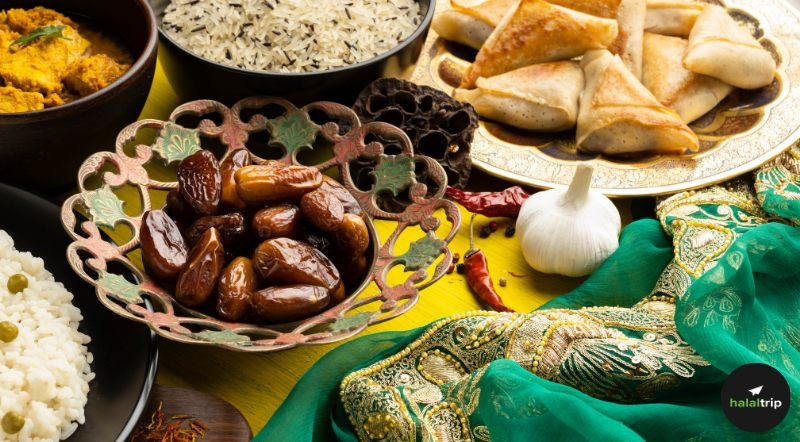
As the sun sets across different time zones, millions of families sit down to a table filled with tradition. While the date fruit remains the universal first bite, the dishes that follow are a vibrant map of our global heritage. From the spicy streets of Karachi to the bustling night markets of Jakarta, these are the staple foods that define the taste of Ramadan.
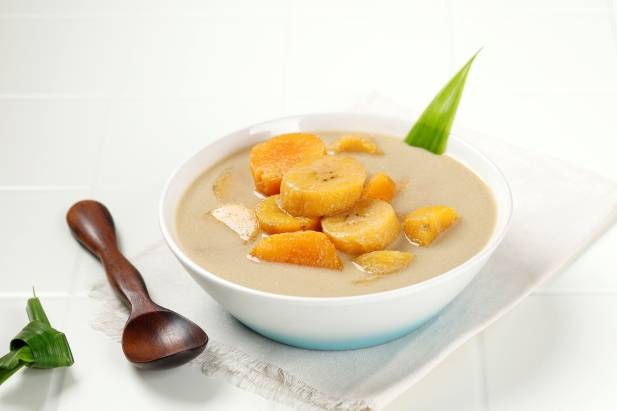
Image Credit: ikarahma on Freepik
No Iftar in Indonesia is complete without this warm, comforting bowl. Kolak is a sweet soup made with a base of coconut milk and palm sugar, typically filled with bananas (pisang), sweet potatoes, or cassava. It is the perfect gentle start for a stomach that has been fasting all day.
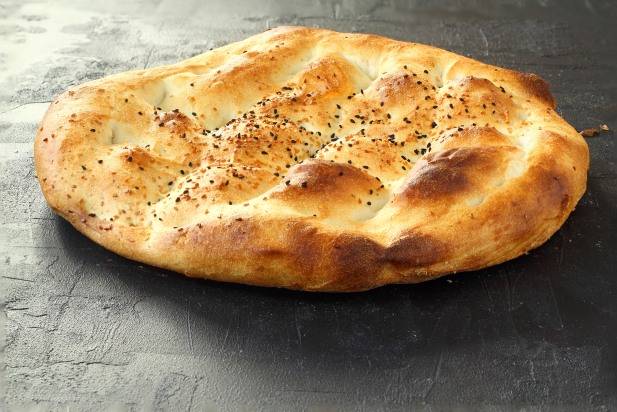
Image Credit: bt1976 on Freepik
In Turkey, the smell of freshly baked Ramazan Pidesi is the literal scent of the holy month. This soft, leavened flatbread is topped with sesame and nigella seeds. You’ll see long queues at bakeries just before sunset as everyone waits to get theirs warm and fluffy for the table.
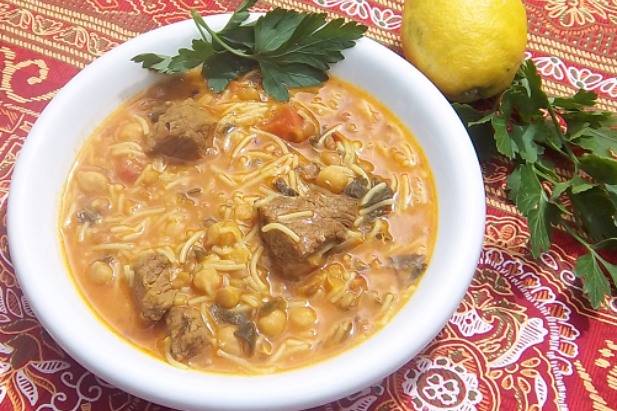
Image Credit: Kattusa24 on Wikimedia Commons
Harira is a silky, tomato-based soup that is a powerhouse of nutrition. Packed with lentils, chickpeas, and often pieces of lamb, it is seasoned with ginger, cinnamon, and turmeric. In Morocco, it’s not just a soup; it’s the "fuel" that sustains the long nights of worship.
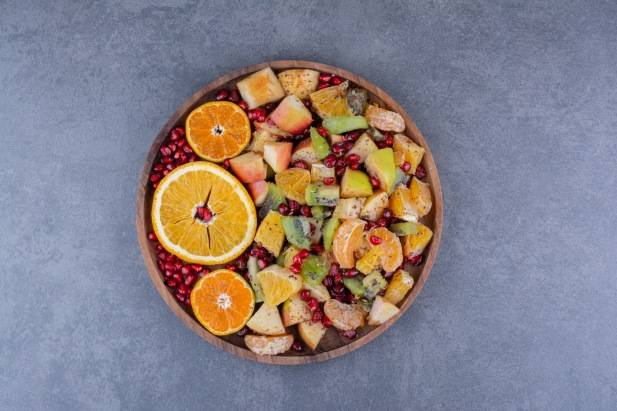
Image Credit: azerbaijan_stockers on Freepik
Light, refreshing, and zesty, Fruit Chaat is a staple across Pakistan, India, and Bangladesh. It is a medley of seasonal fruits tossed in a unique blend of spices (Chaat Masala), lemon juice, and sometimes a hint of tamarind. It provides an instant burst of hydration and vitamins.
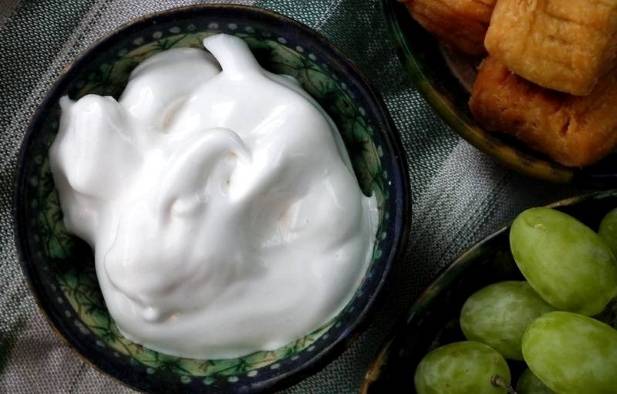
Image Credit: everythingcentralasia on Tumblr
For something truly unique, Nishalda is a white, marshmallow-like sweet treat from Uzbekistan. Made from egg whites and sugar beaten with the root of the licorice plant, it is traditionally enjoyed during Iftar to help with digestion and provide a light, sweet finish.
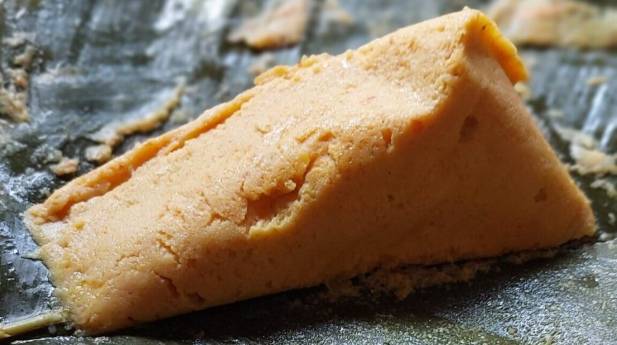
Image Credit: Fad3k3 on Wikimedia Commons
In West Africa, particularly Nigeria, Moi Moi is a beloved Ramadan staple. It is a savory, steamed bean pudding made from peeled black-eyed peas, onions, and fresh peppers. It is protein-rich and incredibly satisfying, making it a perfect Suhoor or Iftar side.
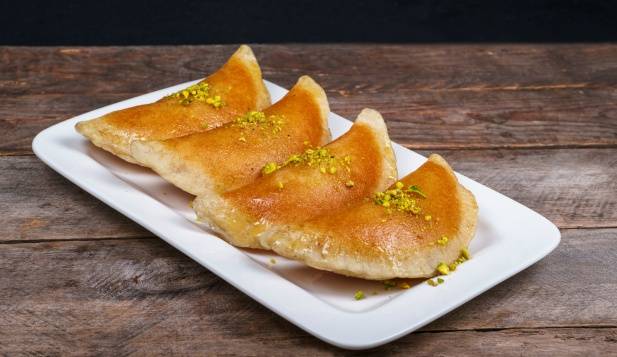
Image Credit: ugibh on Freepik
If Ramadan had an official dessert, it would be Qatayef. These small, folded pancakes are stuffed with nuts or cream (Ashta), then either fried or baked and drizzled with a sweet syrup. In the streets of Cairo, the sight of vendors preparing the batter is a hallmark of the month.
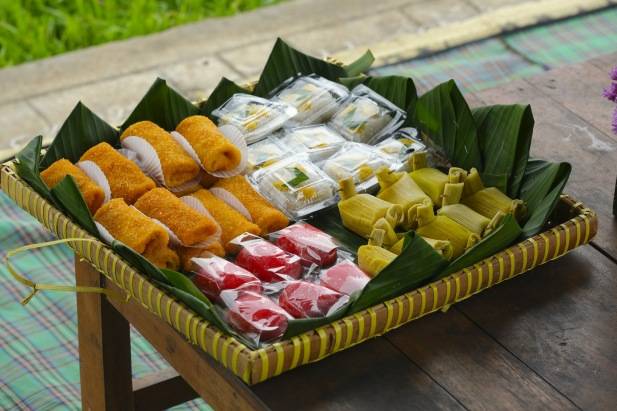
Image Credit: rezmita anggriani on Freepik
Across Malaysia, Indonesia, Thailand, and the Philippines, the Takjil (Iftar snack) table is a rainbow of various Kuih. This includes everything from crispy Gorengan (fritters) to colorful layered desserts. These traditional treats are almost always made from a base of palm sugar, creamy coconut milk, and fragrant pandan leaves.
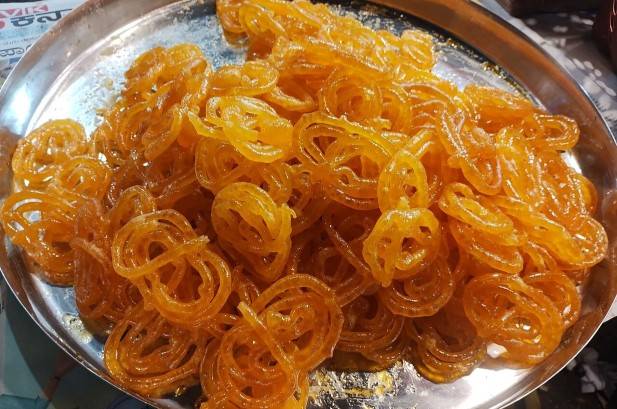
Image Credit: Gpkp on Wikimedia Commons
In Iran, Iftar is often paired with Zoolbia—crispy, funnel-cake-like swirls made of fermented batter that are soaked in a saffron-infused syrup. They are usually served alongside Bamiyeh (small okra-shaped fritters), creating a sweet, golden tradition that pairs perfectly with hot tea.
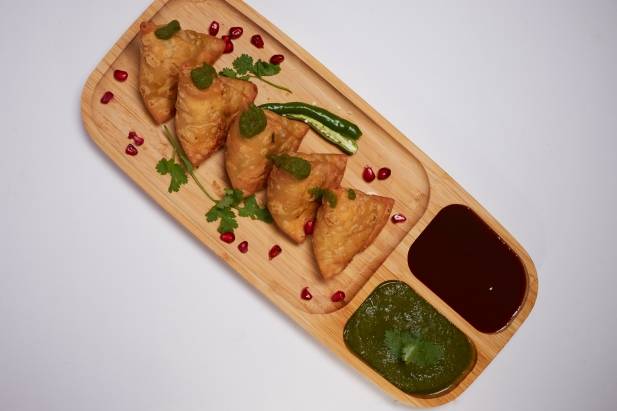
Image Credit: kabir cheema on Unsplash
Though they vary in name and filling, the Samosa (or Sambousek in the Middle East) is the undisputed king of the Iftar snack. Whether it’s filled with spiced minced meat, potatoes, or cheese, this crispy, triangular pastry is a shared love from Riyadh to Mumbai.
Whether it’s the tang of a Moroccan soup or the sweetness of an Indonesian Kolak, these dishes represent more than just food. They represent the love, history, and community that we pour into our homes every Ramadan. No matter where you are in the world tonight, may your table be blessed and your heart be full.


_Bangalore_(86).jpg)