
Germany is often described as a living museum, a place where every cobblestone and spire seems to whisper stories of the past. While it is impossible to capture every historical corner in a single trip, this guide focuses on the must-visit destinations for every Muslim traveler interested in history.
Taken from the latest Germany Halal Travel Guide, these locations offer a profound look into the country’s journey, all while ensuring you stay connected to your faith and comfort.
Undoubtedly, the country’s modern history is heavy, but it offers essential lessons on resilience and unity. These sites in and around Berlin and Leipzig are central to the global narrative of the 20th century.
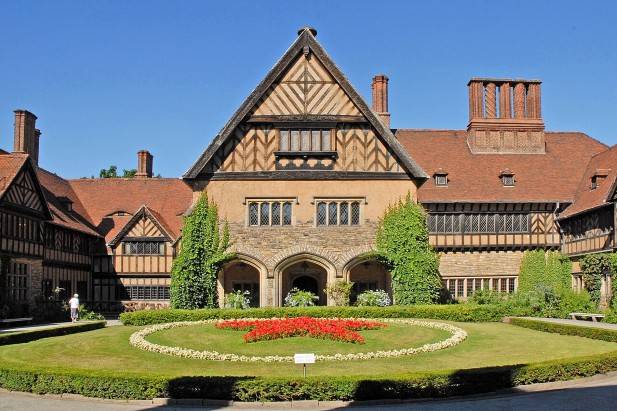
Image Credit: Magnus Manske on Wikimedia Commons
Tucked away in the scenic Neuer Garten, Cecilienhof might look like a quiet English country manor, but its walls witnessed the birth of the post-war world. It was here in 1945 that Stalin, Truman, and Churchill concluded the Potsdam Conference to decide the future of a defeated Germany.

Image Credit: Yc Liao on Unsplash
The Brandenburg Gate once stood in a "no-man's-land" between East and West, but today it is a grand symbol of German unity. Nearby, Checkpoint Charlie serves as a reminder of the tense border crossings of the Cold War. For a more artistic perspective, the East Side Gallery features a long stretch of the original Berlin Wall covered in vibrant murals that celebrate freedom.
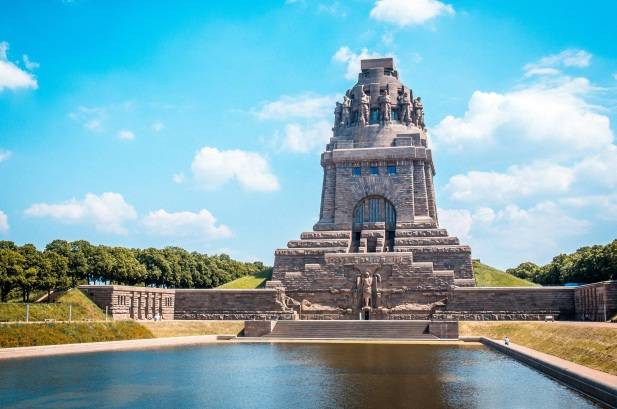
Image Credit: Leipzig Tours on Unsplash
Commemorating the 1813 defeat of Napoleon, this massive stone monument is one of Europe’s tallest. It is a place of grand scale and deep historical significance for those interested in the Napoleonic wars.

Image Credit: Friedrich K. on Wikimedia Commons
A visit to Buchenwald is a somber experience that honors the victims of the Nazi regime. It is a site for deep reflection on human rights and the importance of "Never Again."
To truly understand Germany, one must look at its medieval trade routes and imperial cities. These destinations highlight a heritage of craftsmanship, commerce, and spiritual architecture that has stood for centuries.
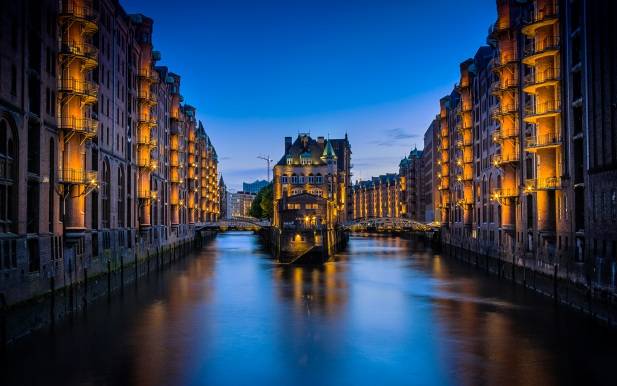
Image Credit: Claudio Testa on Unsplash
Built on thousands of oak piles, the Speicherstadt holds a deep history as a UNESCO-listed world’s largest warehouse district and a masterpiece of red-brick Gothic architecture. Today, the district feels like a time capsule, especially when the evening lights reflect off the narrow canals.
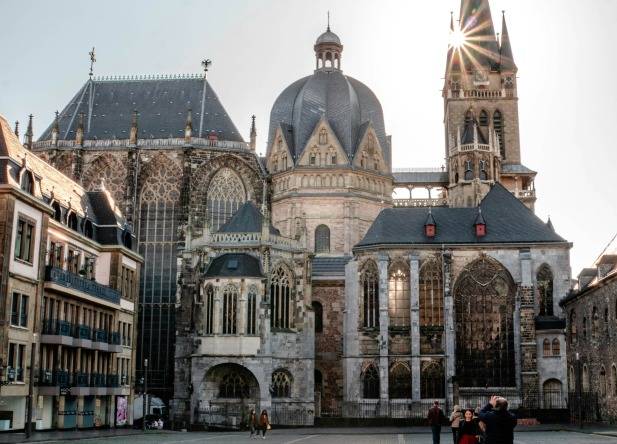
Image Credit: Selina Bubendorfer on Unsplash
This was the first German cultural monument to be added to the UNESCO World Heritage List in 1978. The octagonal core, built by Charlemagne, remains a breathtaking example of Carolingian architecture.
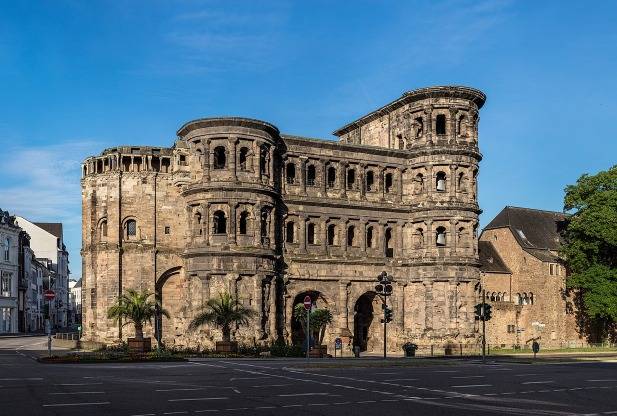
Image Credit: Thomas Wolf on Wikipedia
As the best-preserved Roman city gate north of the Alps, the "Black Gate" is a testament to the Roman Empire's northern reach. Built around 170 AD, its massive sandstone blocks have turned dark over centuries.
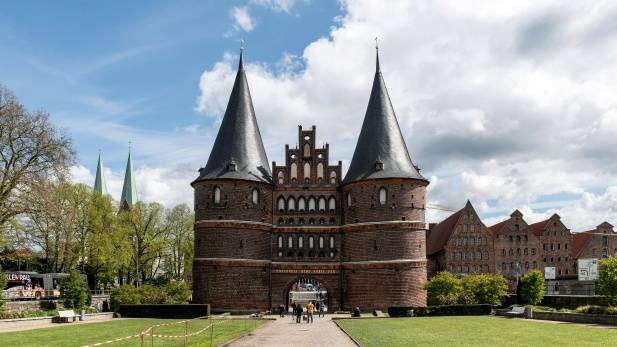
Image Credit: Wolfgang Weiser on Unsplash
The iconic twin-towered gate of Lübeck was once the headquarters for the city's guards and a symbol of the Hanseatic League's power. Inside, you can explore the history of "White Gold"—the salt trade that made this region wealthy.
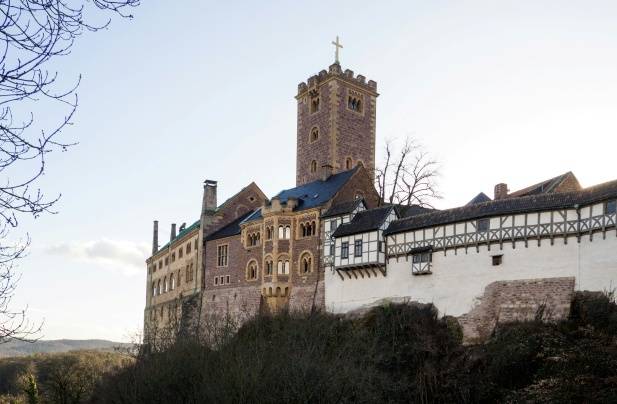
Image Credit: Wim van 't Einde on Unsplash
High above the Thuringian forest, Wartburg Castle is where Martin Luther took refuge and translated the New Testament into German. It is a site of immense cultural and linguistic importance.

Image Credit: Uwe-Jens Schmieder on Unsplash
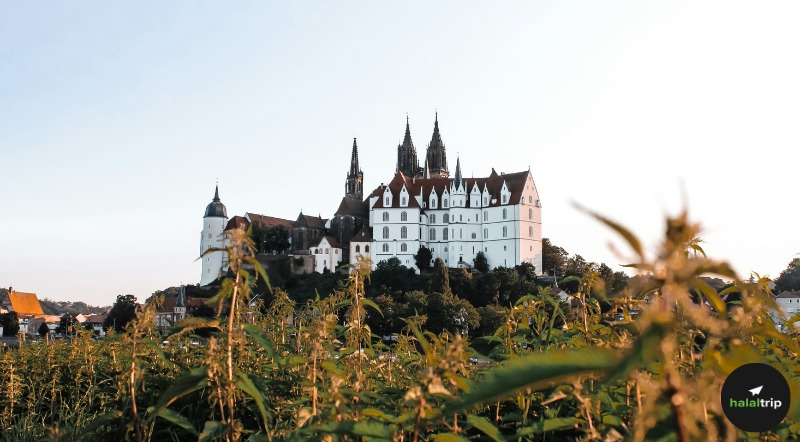
Meissen is where the secret of porcelain was first discovered. Albrechtsburg, Germany’s oldest castle used as a residence, housed the original factory. Visiting the House of Meissen today allows you to see artisans at work, continuing a tradition that began in 1710.
History in Germany isn't just something you read in a book; it is something you walk through, touch, and feel. Whether you are reflecting on the murals of the Berlin Wall or marveling at the ancient stones of Trier, these sites offer a deeper connection to the human story.
For a complete list of prayer spaces, certified Halal restaurants, detailed itineraries, and even more historic destinations, be sure to download the official Germany Halal Travel Guide produced by HalalTrip and the German National Tourist Board!
Banner image credit to Calvin Michl on Unsplash


_(2731361224).jpg)

.jpg)